
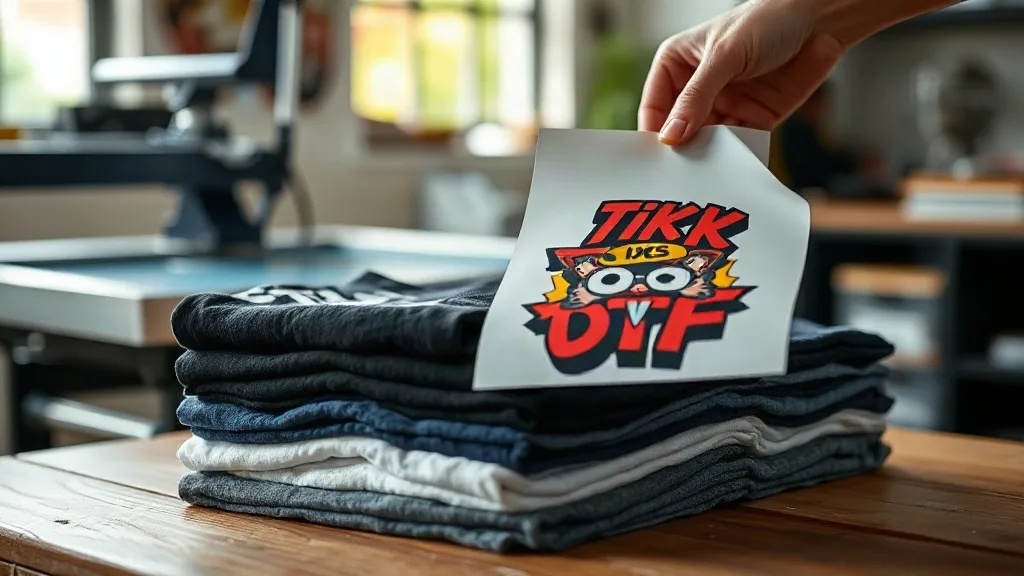
Streetwear brands live and die by their blanks. The wrong tee can turn a killer design into a cracked, faded mess after two washes. The right one? It becomes a walking billboard for your brand. If you're printing DTF (direct-to-film) for streetwear, you've probably heard of shaka wear. These blanks have carved out a reputation for combining heavyweight fabrics with a price point that doesn't crush your margins. But how do you actually make them work for DTF? This guide dives into the practical side: which Shaka Wear styles suit DTF best, how to avoid common pitfalls, and how to streamline your production with tools like a DTF Gangsheet Builder. Whether you're a one-person shop or scaling up, these insights will help you get consistent, retail-ready results.
Why Shaka Wear Blanks Are a Smart Choice for Streetwear DTF
Streetwear isn't just about graphics; it's about feel. Customers expect a certain heft, a relaxed fit, and a fabric that holds its shape. Shaka Wear blanks deliver on these fronts without the premium price tag of boutique brands. Their cotton and cotton-poly blends are known for being durable and taking prints well. But not all Shaka Wear styles are created equal for DTF. The key is to match the blank to the printing method and the design.
Fabric Composition: The Make-or-Break Factor
DTF printing relies on a adhesive powder that melts into the fabric fibers. On 100% cotton, the bond is strong and the print feels soft. On high-polyester blends, the ink can sit on top, leading to a plastic-like hand feel and potential cracking if not cured properly. Shaka Wear offers both. For vibrant, detailed designs, their 100% cotton tees (like the Classic Cotton Tee) are a safe bet. For a sportier, moisture-wicking vibe, their poly-blend styles work, but you'll need to adjust your pressing parameters. Always check the fabric content before you print. A quick test press on a scrap piece can save you from a whole batch of rejects.
Weight and Fit: Matching the Blank to the Design
Shaka Wear is famous for its heavyweight tees, often 6.5 oz and up. These are perfect for oversized streetwear silhouettes and bold, large-format DTF prints. The heavier fabric provides a stable base that won't stretch out during pressing, reducing the risk of distortion. For more fitted or fashion-forward cuts, their lighter weight options (around 5 oz) offer a softer drape. Consider your design: a big, back-print graphic needs a sturdy canvas; a subtle chest logo might suit a lighter tee. Also, think about the fit. Shaka Wear's relaxed and boxy fits are on-trend, but if your audience prefers a classic fit, size accordingly.
Preparing Shaka Wear Blanks for DTF Printing
Even the best blank needs proper prep. DTF prints can fail if the fabric isn't ready. Start with a clean, dry garment. Lint and dust are enemies of adhesion. A quick pass with a lint roller or compressed air is a good habit. Pre-press the shirt for 5-10 seconds to remove moisture and wrinkles. This step is especially important for cotton, which can absorb humidity from the air. For Shaka Wear's heavier fabrics, a slightly longer pre-press (10-15 seconds) ensures a flat, even surface. Don't skip this; it's the foundation of a lasting print.
Temperature and Pressure Settings
DTF printing isn't one-size-fits-all. Shaka Wear's 100% cotton tees typically press well at 320°F (160°C) for 10-15 seconds with medium pressure. Their poly-blends may require a slightly lower temperature (300°F/150°C) to prevent scorching or dye migration. Always do a test press on an inconspicuous area if you're unsure. Pressure matters too: too little, and the print won't adhere; too much, and you'll get a flattened, shiny finish. Find the sweet spot with a few test shirts before running a full batch.
Streamlining Production with a DTF Gangsheet Builder
If you're printing multiple designs or sizes, efficiency is everything. That's where a DTF Gangsheet Builder comes in. Instead of printing one design at a time, you can arrange multiple graphics on a single sheet, maximizing your film usage and reducing waste. For Shaka Wear blanks, this means you can produce a run of tees with different designs in one go, keeping costs down and turnaround fast. The builder lets you drag and drop images, nest them for optimal spacing, and add registration marks for easy cutting. It's a game-changer for streetwear brands that drop limited collections frequently.
Maximizing Your Gangsheet Layout
To get the most out of your gangsheet, group designs by size and color. If you're printing white ink on dark Shaka Wear tees, cluster those together to avoid excessive ink changes. Also, consider the grain of the film: align designs parallel to the film's edge for smoother feeding. And always leave a small gap between designs (at least 0.25 inches) to prevent color bleeding during pressing. A well-planned gangsheet can cut your film costs by 20-30%, a significant saving for high-volume shops.
Quality Control: Ensuring Your DTF Prints Last
Once printed and pressed, the job isn't done. Quality control is what separates hobbyists from pros. Check each Shaka Wear shirt for adhesion, stretch, and wash durability. A simple stretch test: gently pull the fabric around the print; if it cracks or lifts, the bond is weak. Wash tests are crucial: run a sample through a home wash cycle (inside out, cold water) and inspect for fading or peeling. Shaka Wear's durable fabrics generally hold up well, but proper curing is key. Follow the powder shake and cure instructions precisely. And always store finished shirts flat or folded to avoid creasing the print.
Common Pitfalls and How to Avoid Them
- Insufficient powder: Shake off excess powder but ensure even coverage. A thin, consistent layer is better than clumps.
- Uneven pressure: Use a heat press with a pressure gauge and check for hotspots. A pressing pillow can help with uneven areas like seams.
- Ignoring fabric blends: Always test poly-blends; they may require lower temps and shorter dwell times.
- Rushing the peel: Wait for the print to cool completely before peeling the film. Hot peel can distort the design.
SSS
What Shaka Wear styles are best for DTF printing?
Their 100% cotton tees, like the Classic Cotton Tee, are ideal for DTF due to strong adhesion and soft hand feel. Heavyweight styles (6.5 oz+) work well for large prints, while poly-blends suit sporty designs with adjusted pressing settings.
Can I use a DTF Gangsheet Builder with Shaka Wear blanks?
Absolutely. The builder helps you arrange multiple designs on one sheet, saving film and time. It's especially useful for Shaka Wear's popular sizes and colors, allowing you to produce varied runs efficiently.
How do I prevent cracking on Shaka Wear poly-blend tees?
Use lower temperature (around 300°F/150°C), moderate pressure, and ensure proper curing. Also, stretch the fabric slightly before pressing to help the ink adhere to the fibers. Always test a sample first.
What's the typical wash durability of DTF prints on Shaka Wear blanks?
With proper preparation and curing, DTF prints on Shaka Wear can last 50+ washes without significant fading or cracking. Always wash inside out in cold water and avoid harsh detergents.