
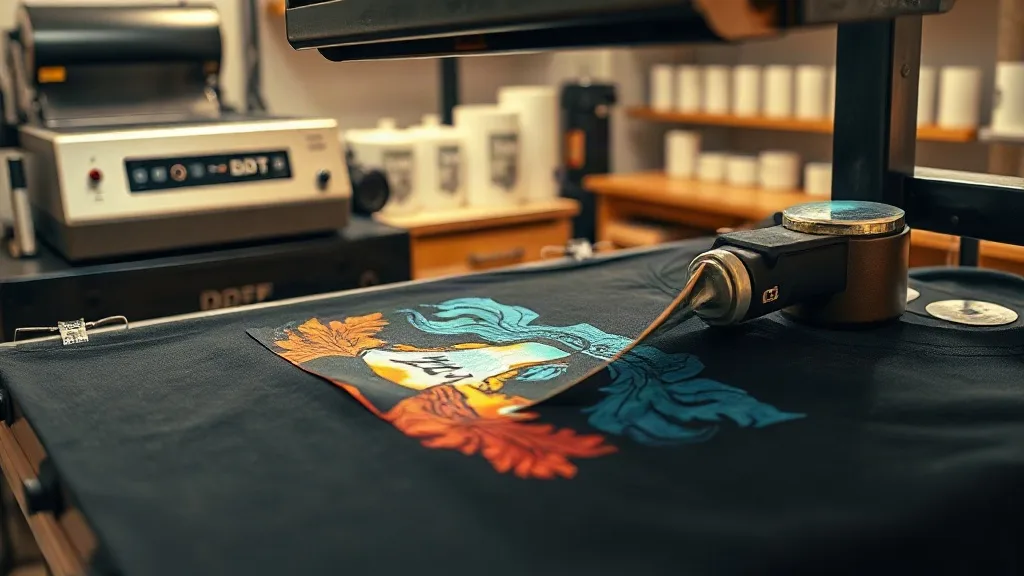
You've invested in a DTF printer, quality films, and powders, yet your prints sometimes come out less than perfect. Faded colors, cracking, or poor adhesion can turn a promising design into a frustrating reject. The truth is, even with a reliable dtf transfers process, small variables can cause big problems. In this guide, we'll tackle the most common issues head-on and give you actionable solutions to achieve consistent, professional results every time.
Why DTF Prints Fail: The Usual Suspects
Before diving into fixes, it's important to understand the root causes. Most DTF problems stem from inconsistencies in materials, environmental conditions, or technique. Let's break down the frequent culprits.
Inconsistent Powder Application
Too much powder leads to a thick, rubbery feel and can cause cracking; too little results in poor adhesion and wash-out. The key is a uniform, thin layer. Use a powder shaker with fine holes and gently tap off excess. For better control, consider a powder application machine, but manual shaking works if you're consistent.
Moisture and Humidity
DTF powder is hygroscopic, meaning it absorbs moisture from the air. Damp powder clogs and doesn't melt properly, leading to patchy transfers. Store powder in an airtight container with silica gel packs. Also, keep your workspace humidity between 40-60% for optimal results.
Press Temperature and Pressure
Every heat press varies, so don't rely solely on the display. Use an infrared thermometer to verify the platen temperature. For DTF, typical settings are 320°F (160°C) for 10-15 seconds with medium pressure. Too hot or too long can cause the film to curl or the powder to over-melt, resulting in a glossy, cracked finish.
Solving Color and Vibrancy Issues
Faded or dull prints are a common complaint. Here's how to boost color intensity.
Ink and Film Compatibility
Not all DTF inks and films are created equal. Using mismatched brands can lead to poor ink absorption and dull colors. Stick to a reputable dtf ink and film system. Also, ensure your printer's settings (color profile, ink limits) are optimized for DTF. Many printers come with DTF-specific profiles; use them.
White Ink Management
White ink is crucial for opacity, especially on dark garments. But white ink settles quickly and can clog printheads. Agitate white ink cartridges daily and maintain your printer's white ink circulation system. When printing, ensure the white layer is thick enough but not excessive; too much white can cause cracking.
Proper Curing
Under-cured powder leads to wash-out; over-curing makes the transfer stiff and yellowed. After applying powder, shake off excess and melt it using a heat gun or in a curing oven. The powder should turn from white to a glossy, slightly translucent finish. This indicates proper melting.
Preventing Cracking and Extending Durability
Cracking is often a result of poor powder application or incorrect pressing. Follow these steps to ensure longevity.
Powder Selection and Application
Use a high-quality DTF powder with a low melt point. Apply a thin, even coat. After shaking off excess, you can use a powder removal system or simply tap the film gently. Too much powder is a common mistake; it's better to err on the side of less.
Pressing Technique
When pressing, use a Teflon sheet or parchment paper to protect the transfer. Apply medium pressure and ensure the press is level. For garments with seams or zippers, use a pressing pillow to distribute pressure evenly. After pressing, wait for the transfer to cool completely before peeling the film. Peeling hot can stretch the design and cause cracks.
Wash and Care Recommendations
Advise your customers to wash garments inside out in cold water and tumble dry low. Avoid ironing directly over the print. Proper care extends the life of DTF transfers significantly.
Finding Reliable Supplies and Services
If you're not ready to invest in a DTF printer, or if you need high-volume production, outsourcing is a smart option. When searching for dtf transfers near me, look for providers that offer consistent quality, quick turnaround, and transparent pricing. At dtf custom press, we specialize in wholesale DTF transfers with vibrant colors and durable results. Our team can help you choose the right transfer size and provide tips for application.
Frequently Asked Questions
Why are my DTF transfers fading after washing?
Fading usually indicates insufficient powder or under-curing. Ensure you apply enough powder to cover the ink completely and melt it until glossy. Also, verify your press temperature and pressure. If the transfer was applied correctly, it should withstand multiple washes.
How do I prevent DTF film from curling during printing?
Curling can be caused by too much ink or high humidity. Reduce ink limits in your printer settings and store film in a dry environment. Also, ensure the film is properly loaded and the printer's platen is clean.
Can I use DTF transfers on dark and light fabrics?
Yes, DTF transfers work on both dark and light fabrics. The white ink layer provides opacity on dark garments, while on light garments, you can skip the white layer for a softer feel. Always test on a scrap piece first.
What is the best way to store DTF transfers?
Store unused transfers in a cool, dry place away from direct sunlight. Keep them flat to prevent creasing. If stored properly, they can last up to six months.
How do I choose the right DTF powder?
Select a powder with a low melt point (around 250°F) and fine particle size. Avoid powders that clump or absorb moisture. A reputable supplier will provide technical data sheets to guide you.
By addressing these common issues, you'll minimize waste and maximize the quality of your DTF transfers. Remember, consistency comes from careful attention to detail and using reliable materials. For more tips and high-quality DTF supplies, explore our resources and services.