
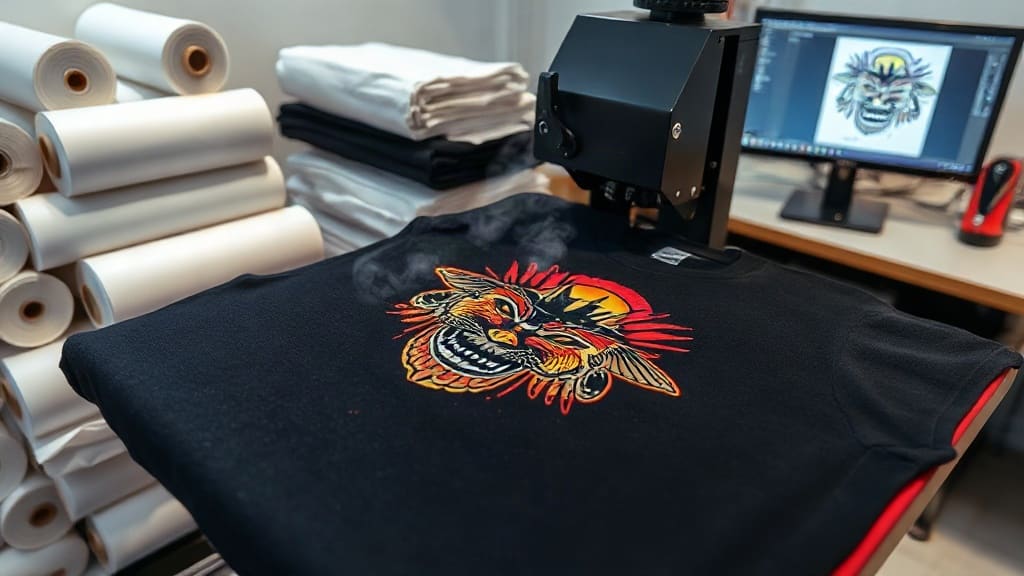
DTF transfers have taken the custom printing world by storm, offering a versatile and cost-effective way to create vibrant designs on various fabrics. Whether you're a small business owner, a hobbyist, or a print professional, understanding this technology can open new opportunities. In this comprehensive guide, we'll dive deep into DTF transfers, exploring their benefits, the process, and practical tips to get the best results.
What Are DTF Transfers?
DTF stands for Direct to Film. It's a printing method where a design is printed onto a special film, coated with adhesive powder, and then heat-pressed onto a garment. Unlike traditional screen printing or heat transfer vinyl, DTF transfers offer exceptional detail, vibrant colors, and the ability to print on a wide range of materials, including cotton, polyester, blends, and even leather or nylon.
One of the key advantages of DTF transfers is their versatility. You can create full-color designs with gradients, intricate details, and even photographic images without the need for separate color separations. This makes them ideal for on-demand printing and small batch orders.
How Do DTF Transfers Work?
The process of creating a DTF transfer involves several steps, each crucial for achieving a high-quality final product.
Step 1: Printing the Design
First, you print your design onto a special PET film using a DTF printer equipped with CMYK and white ink. The white ink acts as an underbase, ensuring that colors remain vibrant even on dark fabrics. The printer uses a special RIP software to manage color separation and ink layering.
Step 2: Applying Adhesive Powder
While the ink is still wet, a hot-melt adhesive powder is applied to the printed film. This powder sticks only to the inked areas and is then melted using heat or infrared drying. This adhesive layer is what bonds the design to the fabric during the press.
Step 3: Curing the Transfer
After applying the powder, the film is passed through a dryer or heat source to cure the adhesive, making it stable and ready for storage. Proper curing prevents issues like cracking or peeling later.
Step 4: Heat Pressing
Finally, the transfer is placed on the garment, and a heat press applies pressure and temperature for a specific time. The adhesive melts, bonding the design to the fabric. Once cooled, you peel off the film, leaving a soft, durable print.
Why Choose DTF Transfers Over Other Methods?
There are several reasons why DTF has become a popular choice for many printing businesses and enthusiasts.
- Versatility: Works on a wide range of fabrics, including those with high stretch or coatings that are difficult for other methods.
- Ease of Use: The process is simpler than screen printing, requiring no screens or extensive setup, making it ideal for single prints or small runs.
- Durability: DTF prints are known for their flexibility and resistance to cracking, even after repeated washing.
- Cost-Effective: For small orders, DTF is often more economical than screen printing, as there are no setup costs.
- Soft Hand Feel: The prints have a soft texture, especially when compared to heavyweight vinyl, making garments comfortable to wear.
- Full Color: Achieve vibrant, full-color prints with gradients and fine details without extra costs.
DTF Transfers vs. Screen Printing
While screen printing is excellent for large quantities of simple designs, DTF transfers shine in different scenarios. Screen printing requires a separate screen for each color, leading to high setup costs for multicolor designs. DTF, on the other hand, prints all colors in one pass, making it more cost-effective for orders with many colors or short runs. Additionally, DTF can handle complex designs like photographs with ease, something that would be extremely difficult and expensive with screen printing.
However, screen printing has an edge when it comes to extremely large orders of simple designs, as the per-unit cost can be lower. But for most modern businesses, especially those offering custom on-demand products, DTF offers unmatched flexibility.
DTF Transfers vs. Heat Transfer Vinyl
HTV is a popular choice for simple graphics and text, but it has limitations. HTV comes in solid colors and requires cutting, weeding, and layering for multicolor designs, which is time-consuming. DTF transfers eliminate the need for weeding and allow for full-color prints with shading and gradients. Moreover, DTF prints are more flexible and durable than HTV, which can crack or peel over time, especially on stretchy fabrics.
For a business looking to offer a wide range of designs without investing in multiple materials, DTF transfers provide a streamlined solution.
Best Practices for Using DTF Transfers
To ensure your DTF prints look great and last long, follow these tips:
1. Choose the Right Film and Powder
Not all films and powders are created equal. Use high-quality PET film specifically designed for DTF, and ensure your adhesive powder is compatible with your ink and fabric. The correct combination prevents issues like ink bleeding or poor adhesion.
2. Calibrate Your Printer
Regularly calibrate your DTF printer to maintain color accuracy and ink consistency. Use the RIP software to adjust color profiles for different fabric types, especially if you print on both light and dark garments.
3. Preheat Your Garments
Before pressing, preheat the garment for a few seconds to remove moisture and wrinkles. This helps the adhesive bond better and prevents the transfer from shifting.
4. Use the Right Pressure, Temperature, and Time
Follow the manufacturer's recommendations for your specific transfer and fabric. Typically, DTF transfers require around 160-170°C (320-340°F) and medium to firm pressure for 10-15 seconds. Over-pressing can cause the adhesive to bleed, while under-pressing may result in poor adhesion.
5. Peel Hot or Cold?
Most DTF transfers are hot-peeled, meaning you peel the film immediately after pressing while it's still hot. Some high-quality films may allow cold peel, but always check the instructions. Hot peeling prevents the adhesive from cooling and losing its bond.
6. Cure and Test
After pressing, allow the print to cool completely before washing. Always test a sample on a similar fabric to check for issues like color transfer or cracking.
Common Mistakes to Avoid
Even experienced printers can make mistakes. Here are some pitfalls to watch out for:
- Using the wrong side of the film: Ensure you print on the correct side, usually the glossy side, as indicated by the manufacturer.
- Not shaking the powder well: Mix the powder thoroughly to avoid clumps and ensure even coverage.
- Insufficient drying: If the adhesive isn't fully cured, it may not stick properly or may peel during washing.
- Storing transfers improperly: Keep your transfers in a cool, dry place, away from direct sunlight, to prevent adhesive degradation.
- Skipping test prints: Always do a test run before a large batch to catch any issues early.
Applications of DTF Transfers
DTF transfers are incredibly versatile. They are widely used for:
- Custom t-shirts for events, teams, and businesses.
- Sportswear and athletic apparel because they stretch and flex without cracking.
- Workwear and uniforms with names, logos, and safety graphics.
- Accessories like tote bags, caps, and even shoes.
- Home decor such as pillow covers and curtains.
The ability to print on synthetic materials like polyester makes DTF a go-to for performance wear. Unlike other methods that require special additives for polyester, DTF transfers work well without such complications.
Cost Considerations and ROI
Investing in DTF printing equipment can be a significant upfront cost, but the return on investment (ROI) can be substantial. For small businesses, DTF transfers reduce the need for large inventory, allowing you to print on demand. This minimizes waste and storage costs. Additionally, the speed of production means you can fulfill orders quickly, improving customer satisfaction.
If you already have a heat press, you can start by purchasing pre-made DTF transfers from a supplier. This is a low-risk way to test the market before investing in your own printer. Many suppliers offer custom transfers with no minimum order quantities, making it easy to offer DTF products without the upfront investment.
Maintaining Your DTF Printer
To keep your DTF printer running smoothly, regular maintenance is essential:
- Clean the printhead regularly to prevent clogging, especially when using white ink.
- Use high-quality inks to avoid color shifts and ensure durability.
- Check the powder dispenser for even distribution and adjust as needed.
- Keep the printer firmware updated to benefit from improvements.
- Follow a maintenance schedule recommended by the manufacturer.
Environmental Impact
Compared to screen printing, DTF transfers can be more environmentally friendly because they produce less waste. No screens, no excess ink, and no chemicals for washing out screens. However, the film and powder used in DTF are non-biodegradable, so responsible disposal is important. Some companies offer recycling programs for DTF film, so look into those options.
Future Trends in DTF
The DTF industry is evolving rapidly. Innovations include:
- Eco-friendly materials: Development of biodegradable films and water-based inks.
- Faster printers: Higher speeds for larger production volumes.
- Improved white ink: Better opacity and flexibility for dark fabrics.
- Automation: Integrated systems that combine printing, powdering, and drying in one machine.
Staying ahead of these trends can give you a competitive edge. As technology advances, costs may decrease, making DTF accessible to even more businesses.
Conclusion
DTF transfers offer a fantastic combination of quality, versatility, and ease of use. Whether you're new to custom printing or looking to expand your capabilities, DTF is a technology worth considering. By understanding the process, following best practices, and avoiding common mistakes, you can produce professional-grade prints that satisfy your customers and grow your business.
Remember, the key to success with DTF transfers is experimentation and continuous learning. Start with small projects, test different fabrics and settings, and soon you'll master this exciting printing method.
Frequently Asked Questions
What is the difference between DTF and sublimation?
Sublimation printing uses heat to transfer dye onto polyester fabrics, resulting in prints that become part of the material. However, sublimation only works on light-colored, polyester-based fabrics. In contrast, DTF transfers can be applied to any fabric color and type, including cotton and blends. DTF prints sit on the fabric surface with an adhesive layer, while sublimation sinks into the fibers. Both have their uses, but DTF offers more versatility.
Can DTF transfers be used on dark fabrics?
Yes, one of the major advantages of DTF is its ability to print on dark fabrics. This is achieved by printing a white ink underbase, which ensures that the colors above remain true and vibrant. The white layer also provides the necessary contrast for the design to stand out.
How many washes can DTF prints withstand?
High-quality DTF prints can withstand 50 or more washes if proper care instructions are followed. To maximize longevity, wash garments inside out in cold water and avoid using bleach or fabric softeners. Tumble drying on low heat is recommended, but air drying is even better.
Do I need a special printer for DTF transfers?
Yes, DTF printing requires a printer that can handle white ink, such as an Epson or Ricoh converted printer or a purpose-built DTF machine. These printers use specialized RIP software and are equipped with bulk ink systems to manage the high volume of ink needed. Standard inkjet printers cannot handle the white ink and film used in DTF.
Can I use DTF transfers on cotton t-shirts?
Absolutely, cotton is one of the best fabrics for DTF transfers. The adhesive bonds well with natural fibers, resulting in a durable and soft print. DTF is also effective on polyester and blends, making it a versatile choice for any garment.