
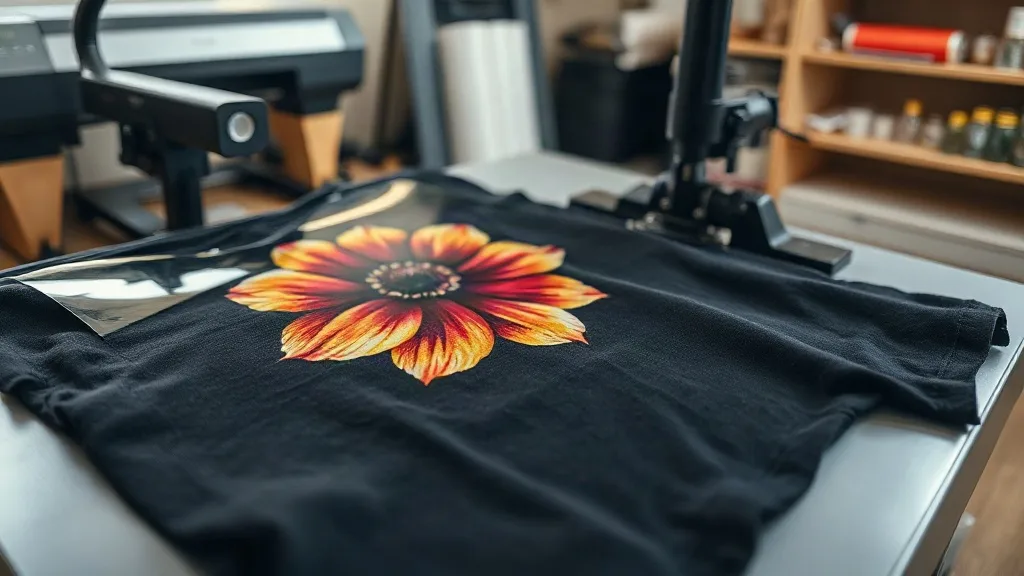
When you need a print that sticks to almost any fabric without the hassle of weeding or color limitations, dtf transfers are a game-changer. Unlike vinyl or screen printing, DTF (direct to film) uses a special film and adhesive powder to bond vibrant designs to cotton, polyester, blends, and even tough materials like nylon and leather. If you have ever struggled with cracked prints or color fading, this method might be exactly what your shop needs.
In this guide, I will walk you through how DTF works, where it shines, and how to avoid common pitfalls. Whether you are a small business owner or a hobbyist, you will find actionable advice to get professional results.
What Exactly Are DTF Transfers?
DTF transfers are printed on a special PET film using water-based inks. After printing, a hot-melt adhesive powder is applied to the wet ink, then cured. The result is a flexible, stretchable transfer that can be heat-pressed onto a wide range of fabrics. The magic lies in the adhesive: it bonds to the fabric fibers while the ink layer stays vibrant and soft.
Unlike DTG (direct to garment), which requires pre-treatment and works best on 100% cotton, DTF adheres to almost any material. And unlike vinyl, you do not need to cut or weed each color, making complex designs with gradients and fine details possible in a single transfer.
Why DTF Transfers Outperform Other Methods on Tricky Fabrics
If you have ever tried to press vinyl onto a puffy jacket or a polyester jersey, you know the struggle: the vinyl peels, the color bleeds, or the fabric melts. DTF transfers solve these problems because they are applied at lower temperatures (typically 300-320°F) and for shorter times, reducing the risk of scorching. The adhesive powder creates a mechanical bond that flexes with the fabric, so prints survive stretching and washing.
Cotton and Cotton Blends
On cotton, DTF performs beautifully. The adhesive grips the natural fibers, and the print feels soft after the first wash. For blends like 50/50, DTF is often more reliable than DTG because it does not require the fabric to be 100% cotton. Just ensure your press is set to medium pressure and the garment is pre-pressed to remove moisture.
Polyester and Synthetics
Polyester can be a nightmare for vinyl and DTG due to dye migration, where the fabric's dye sublimates into the ink and discolors the print. DTF transfers act as a barrier, especially when using a low-temperature adhesive powder. For best results on polyester, use a lower pressing temperature (around 280-300°F) and cool the transfer completely before peeling. This prevents the ink from stretching and keeps colors true.
Nylon, Leather, and Other Oddball Materials
Nylon and leather are notoriously difficult for heat transfer vinyl because they require high heat that can damage the material. DTF transfers can be applied at lower temperatures with a longer dwell time, making them ideal for these surfaces. I have successfully pressed DTF onto nylon jackets and leather patches with excellent durability. Always test a small area first, as some leathers have finishes that may react to heat.
Step-by-Step: How to Apply DTF Transfers for Flawless Results
Getting a professional finish with DTF is straightforward if you follow a few key steps. Here is my proven process:
- Pre-press the garment: This removes wrinkles and moisture. Set your press to 300-320°F for 5-10 seconds.
- Position the transfer: Place the DTF film with the printed side down onto the fabric. Use heat tape if needed to keep it in place.
- Press: Apply medium pressure for 10-15 seconds at 300-320°F. For polyester, lower to 280-300°F.
- Peel: Wait 10-20 seconds for the transfer to cool slightly, then peel the film in a smooth, continuous motion. For a matte finish, peel while hot; for glossy, peel cold.
- Post-press (optional): Cover with a Teflon sheet or parchment paper and press for another 5-10 seconds to improve wash durability.
Remember: every heat press is different. Calibrate your temperature and pressure with a test garment before running a full order.
Common Mistakes to Avoid with DTF Transfers
Even experienced printers run into issues. Here are the most common ones and how to fix them:
- Insufficient pressure: If the transfer peels off after washing, increase pressure. You should see the fabric texture through the film during pressing.
- Too much heat: This causes the adhesive to over-cure and become brittle, leading to cracks. Use an infrared thermometer to verify your press temperature.
- Peeling too soon: If you peel while the transfer is still hot, the ink may stretch. Wait a few seconds for it to cool slightly.
- Ignoring fabric type: Always adjust temperature and time for polyester, nylon, and other heat-sensitive materials.
By avoiding these pitfalls, you will achieve vibrant, long-lasting prints that your customers will love.
DTF Transfers vs. Other Printing Methods: A Quick Comparison
How does DTF stack up against DTG, screen printing, and vinyl? Here is a side-by-side look:
- DTF vs. DTG: DTF works on more fabrics (including polyester and blends), requires no pre-treatment, and often has lower setup costs. DTG has a softer hand on 100% cotton but is limited to cotton and requires pre-treatment.
- DTF vs. Screen Printing: Screen printing is more cost-effective for large runs of simple designs, but DTF wins for complex, multi-color designs and small batches. DTF also requires less equipment and space.
- DTF vs. Vinyl: Vinyl is great for simple one-color designs, but DTF handles gradients, photos, and fine details without weeding. DTF also adheres to more materials.
For a shop that wants versatility without a huge investment, DTF is often the smartest choice.
Choosing the Right DTF Supplies for Your Shop
Not all DTF films and powders are created equal. The quality of your supplies directly impacts the final product. Here is what to look for:
- Film: Look for double-sided matte film that prevents ink bleeding and allows for easy peeling. Thicker films (75-100 microns) are more durable but may require slightly more pressure.
- Ink: Use high-quality DTF inks designed for your printer. Cheap inks can clog nozzles and produce dull colors.
- Adhesive powder: Choose a fine, even powder. For stretchy fabrics, use a flexible powder; for standard cottons, a medium powder works well.
- Printer: Converted Epson printers are popular for DTF, but you can also buy dedicated DTF printers. Ensure your printer has a white ink channel for printing on dark garments.
Investing in good supplies saves you time and reduces waste, ultimately improving your profit margins.
Frequently Asked Questions About DTF Transfers
How durable are DTF transfers after washing?
When applied correctly, DTF transfers can last 50+ washes without fading or cracking. Use gentle cycles and avoid bleach. Turning the garment inside out before washing also helps.
Can I use DTF transfers on dark-colored garments?
Yes, DTF transfers include a white ink layer that makes colors pop on dark fabrics. Just ensure your printer has white ink and that you print the white layer correctly.
What is the best temperature for pressing DTF transfers?
Generally, 300-320°F (150-160°C) for 10-15 seconds. For heat-sensitive fabrics like polyester, lower to 280-300°F (140-150°C). Always test first.
Do I need a special printer for DTF?
You can convert a standard Epson printer with DTF inks and a RIP software, or buy a dedicated DTF printer. Dedicated printers are more reliable for high-volume production.
Can DTF transfers be stretched?
Yes, DTF transfers are stretchable, especially when using a flexible adhesive powder. They work well on performance wear and stretchy fabrics.
With these insights, you are ready to explore the world of DTF printing. Whether you are adding it to your existing services or starting fresh, the versatility and durability of dtf transfers make them a valuable addition to any custom apparel business.