
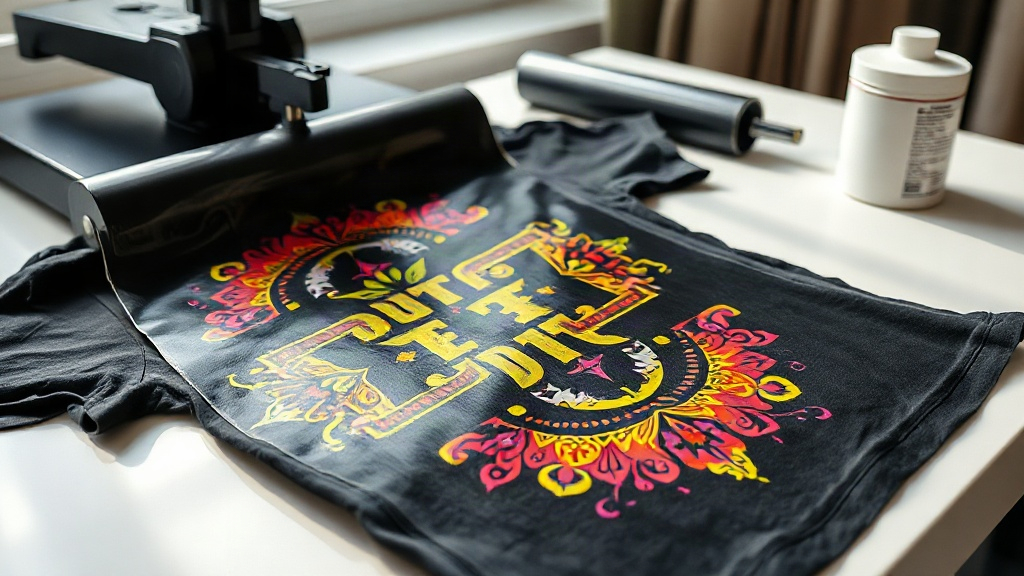
When you first start experimenting with DTF transfers, it's easy to get caught up in the excitement of vibrant colors and intricate designs. But after a few washes, you might notice cracking, fading, or a stiff feel that turns a premium tee into a disappointment. The culprit is often not the transfer itself but the blank you chose. In this guide, we'll explore how DTF transfers interact with different fabrics, and why brands like Shaka Wear and Smart Blanks have become go-to choices for printers who care about quality.
Why the Blank Matters for DTF Transfers
DTF transfers are printed on a special film, dusted with hot-melt adhesive powder, and then heat-pressed onto a garment. The adhesive bonds with the fabric fibers, so the surface texture and fiber content directly affect how well the transfer sticks and how it feels. A 100% cotton shirt with a tight knit will hold the transfer smoothly, while a loose-knit or heavily textured fabric might let the adhesive sink in unevenly, leading to premature peeling. Polyester blends can be trickier because the transfer must adhere to synthetic fibers that don't absorb moisture the same way. That's why seasoned printers test every new blank before committing to a large order.
Cotton vs. Polyester: What to Expect
Cotton is forgiving. It accepts the adhesive readily, and the print sits on top of the fabric with a soft hand. However, cotton can shrink slightly after washing, which may cause the transfer to wrinkle if the garment isn't pre-shrunk. Polyester, on the other hand, requires lower pressing temperatures to avoid scorching, but it often yields a slightly glossier finish. For the best of both worlds, many printers turn to cotton-poly blends, which offer durability and a smooth surface. Just be sure to adjust your press settings accordingly: too hot, and you'll melt the polyester; too cool, and the adhesive won't fully activate.
Shaka Wear: A Favorite for Streetwear and Everyday Tees
Shaka Wear has built a reputation for heavyweight, durable blanks that appeal to streetwear brands and screen printers alike. Their 7.5 oz cotton tees are thick enough to hold up to repeated washing, and the tight knit provides an ideal canvas for DTF transfers. In my own shop, I've found that Shaka Wear's classic tees require a slightly longer press time (around 15 seconds at 325°F) to ensure the adhesive penetrates the heavier fabric. The result is a print that stays put even after dozens of washes. Plus, the boxy fit and wide color range make them a hit with customers who want a modern, relaxed look.
Best Practices for Shaka Wear Blanks
- Pre-press the garment for 5 seconds to remove moisture and wrinkles.
- Use medium pressure to avoid flattening the fabric too much.
- Peel the transfer while it's still warm for a matte finish, or cool for a glossy look.
- Wash inside out in cold water and tumble dry low to extend the print's life.
Smart Blanks: Affordable Quality for High-Volume Orders
If you're producing large batches for events or promotional giveaways, Smart Blanks offers a cost-effective alternative without sacrificing too much quality. Their 100% cotton tees are soft and lightweight, making them comfortable for everyday wear. However, because the fabric is a bit thinner, you'll need to be careful with your heat press settings. I recommend a lower temperature (300°F) and a shorter press time (10-12 seconds) to prevent the transfer from over-curing and becoming brittle. With the right technique, Smart Blanks can deliver impressive results that rival more expensive brands. They're also a great option for testing new designs before scaling up.
Maximizing Durability on Smart Blanks
To get the most out of your DTF transfers on Smart Blanks, consider using a heat press with consistent pressure. Inconsistent pressure can cause uneven adhesion, leading to peeling at the edges. Also, always allow the garment to cool completely before folding or stacking. If you're in a hurry, a cold peel will give you a slightly textured finish that some customers love. For a smoother feel, wait until the transfer is completely cool, then peel slowly. And don't forget to test a sample first: every batch of blanks can vary slightly, so a quick test saves you from costly mistakes.
Comparing Shaka Wear and Smart Blanks for DTF
Both brands have their place, but they cater to different needs. Shaka Wear is ideal for premium retail or streetwear lines where customers expect a heavier, more substantial tee. The extra weight also helps the DTF transfers look more integrated with the fabric. Smart Blanks, on the other hand, are perfect for budget-conscious projects, giveaways, or sample runs. They're also a good choice for lighter designs that don't require heavy ink coverage. Ultimately, the best blank depends on your target market and the specific application. I keep both on hand and choose based on the job.
Fabric Weight and Transfer Performance
Heavier fabrics like those from Shaka Wear tend to mask the slightly raised feel of DTF transfers, giving a more seamless look. Lighter fabrics, such as Smart Blanks, may show a faint outline if the transfer is thick. To minimize this, use a finer powder or adjust your printer's ink settings to reduce the ink volume. Some printers also use a matte finish transfer film, which blends better with lighter fabrics. Experimentation is key: keep a log of your settings for each blank brand so you can replicate success.
Step-by-Step: Applying DTF Transfers to Your Blanks
Regardless of which blank you choose, the application process is similar. Here's a quick rundown:
- Preheat your heat press to the recommended temperature for your fabric (usually 300-325°F).
- Pre-press the garment for 5-7 seconds to remove wrinkles and moisture.
- Place the DTF transfer face down on the fabric, ensuring it's centered.
- Press with medium to firm pressure for 10-15 seconds.
- Peel the film either hot or cold, depending on the desired finish.
- For extra durability, post-press with a Teflon sheet for another 5 seconds.
Remember, these are general guidelines. Always follow the transfer supplier's instructions and test on a scrap piece first.
Common Mistakes to Avoid with DTF Transfers
Even experienced printers slip up occasionally. Here are the most common pitfalls and how to sidestep them:
- Over-pressing: Too much heat or time can cause the adhesive to burn, leading to a yellow tint and poor adhesion.
- Under-pressing: Not enough heat means the adhesive won't melt fully, resulting in early peeling.
- Ignoring fabric type: Using the same settings for cotton and polyester is a recipe for disaster.
- Skipping pre-press: Moisture in the fabric can create steam, which prevents proper bonding.
- Peeling too fast: Rushing the peel can stretch the transfer or leave adhesive residue.
Frequently Asked Questions
Can I use DTF transfers on 100% polyester shirts?
Yes, but you'll need to lower the temperature to around 275-300°F and use light pressure to avoid scorching. Also, polyester can be sensitive to heat, so test a small area first. Some printers prefer using a cooling mat after pressing to set the adhesive quickly.
How do I choose between Shaka Wear and Smart Blanks for my project?
Consider your budget and target audience. If you're selling premium tees, Shaka Wear offers a heavier, more durable option. For cost-effective bulk orders or samples, Smart Blanks are a smart choice. Both work well with DTF transfers when proper techniques are used.
What's the best way to wash a DTF-printed shirt?
Turn the shirt inside out and machine wash in cold water with mild detergent. Avoid bleach and fabric softeners, which can degrade the adhesive. Tumble dry on low or hang dry. Following these steps will keep your print looking new for years.
Why does my DTF transfer feel stiff after application?
A stiff feel often comes from too much adhesive powder or over-pressing. Try reducing the powder amount or lowering the press time. Also, ensure you're using a quality transfer film designed for soft-hand results. Some printers achieve a softer feel by using a matte film and applying minimal pressure.
Can I layer DTF transfers for multi-color designs?
Absolutely. DTF transfers can be layered, but it's best to apply the largest design first, then add smaller elements on top. Use a lower temperature for subsequent presses to avoid disturbing the underlying layers. Alternatively, print the entire design as one transfer for a simpler application.
Mastering DTF transfers is a journey of trial and error, but with the right blanks and techniques, you can produce professional-quality apparel that delights customers. Whether you choose Shaka Wear for its rugged appeal or Smart Blanks for budget-friendly projects, the key is to test, adjust, and document your process. Happy printing!