DTF transfers have taken the custom apparel world by storm, and for good reason. Whether you're a seasoned printer or just starting your print-on-demand journey, these transfers offer a flexible, cost-effective way to create vibrant designs on a variety of fabrics. In this comprehensive guide, we'll break down everything you need to know about DTF transfers, from how they work to practical tips for achieving professional results. By the end, you'll be equipped to produce eye-catching custom apparel that not only looks great but also stands the test of time.
What Are DTF Transfers?
DTF (Direct to Film) transfers are a printing method where your design is printed onto a special PET film using a DTF printer, coated with adhesive powder, and then heat-pressed onto fabric. Unlike traditional heat transfer vinyl (HTV) or screen printing, DTF allows for full-color, high-detail prints with no weeding. This makes it a game-changer for small businesses and hobbyists who want to offer custom apparel without the high setup costs of screen printing.
How DTF Transfers Work
The process might sound complex, but it's quite straightforward once you understand the steps:
- Print your design: Using a DTF printer (usually an Epson or other inkjet printer modified for DTF), print your design in reverse onto a PET film. The film has a special coating that holds the ink.
- Apply adhesive powder: While the ink is still wet, cover the design with a fine adhesive powder, making sure it sticks to the inked areas. Shake off the excess.
- Melt the powder: Use a curing oven or a heat press to melt the powder at around 160-180°C (320-356°F) for a few seconds. This fuses the powder into a hot-melt adhesive that will bond to the fabric later.
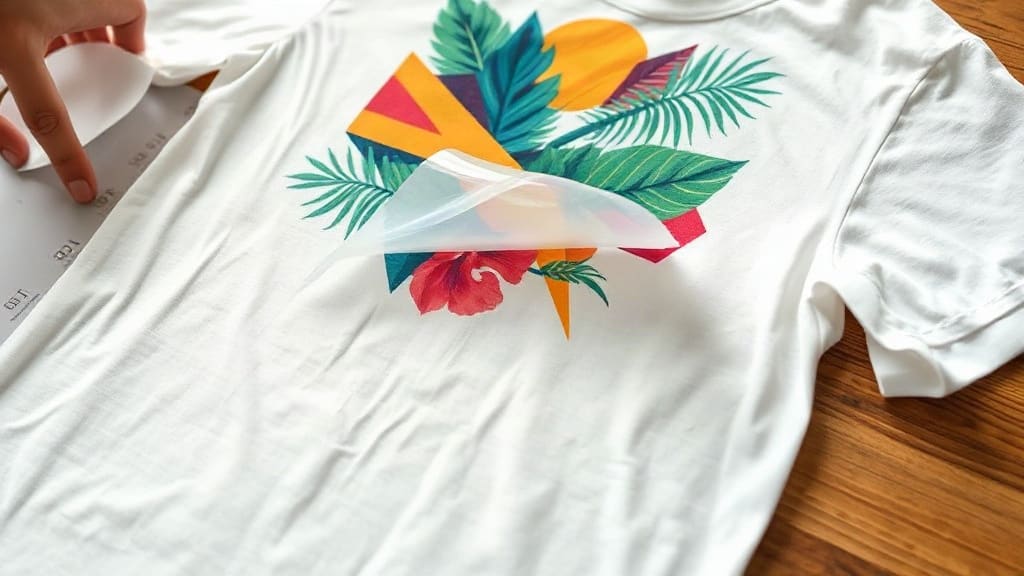
- Heat press onto fabric: Place the film onto your garment (design side down) and press at 160-180°C for about 15-20 seconds with medium pressure. Allow it to cool, then peel off the film.
That's it! You now have a vibrant, durable print. The key is to ensure you have the right materials and settings for each step.
Benefits of DTF Transfers
Why choose DTF over other methods? Here are the standout advantages:
- Vibrant colors and detail: DTF produces sharp, full-color prints that rival screen printing, but with the convenience of digital printing.
- Works on many fabrics: Unlike HTV, which often has limitations, DTF works well on cotton, polyester, blends, and even some tricky surfaces like nylon.
- No weeding: For designs with multiple colors or intricate details, you don't have to cut out each layer. Just print, powder, and press.
- Stretchability: The prints are flexible and can stretch with the fabric without cracking, making them great for activewear.
- Low minimums: You can print one or a hundred items without worrying about setup fees, making it perfect for print-on-demand or small batch orders.
DTF Transfers vs. Other Printing Methods
DTF vs. Screen Printing
Screen printing is the traditional choice for bulk orders because it's economical at scale. However, it requires a separate screen for each color, which makes it costly for full-color designs. DTF transfers are more versatile for short runs and complex designs, but if you need thousands of identical shirts, screen printing might still be more cost-effective.
DTF vs. Direct-to-Garment (DTG)
DTG printing sprays ink directly onto the fabric, which works great for cotton but often requires pretreating for dark shirts. DTF, on the other hand, doesn't need pretreatment and works on a wider range of materials. Plus, DTF allows you to print transfers in advance and apply them later, which is ideal for storing designs or outsourcing production.
DTF vs. Heat Transfer Vinyl (HTV)
HTV is great for simple, single-color designs and is perfect for small projects. But for multi-color or photorealistic designs, HTV becomes tedious because you have to weed each color separately. DTF eliminates that hassle, making it a superior choice for complex graphics.
Choosing the Right DTF Printer and Supplies
To get started with DTF, you need three main components: a DTF printer, PET film, and adhesive powder. Here's what to look for:
- Printer: You can convert an Epson EcoTank or use a dedicated DTF printer. Look for one with a robust ink system (pigment inks for DTF) and a built-in powder shaker if possible.
- PET film: Use high-quality PET film designed for DTF to ensure proper ink adhesion and peeling. Cheap film can cause cracking or poor transfer.
- Adhesive powder: The powder should be fine and evenly applied. Hot-melt adhesive is standard, but you can find variations for special effects like glitter or high-density.
Investing in good supplies is non-negotiable for professional results. Cheap materials can lead to faded prints, poor adhesion, or a rough texture.
Tips for Perfect DTF Transfers
Here are some hard-earned tips to help you get flawless results every time:
- Test your press time: Different fabrics require different times and temperatures. Always do a test print on a scrap piece before committing to your final garment.
- Peel warm or cold? Some films require hot peeling, others cold. Check the manufacturer's instructions. Generally, warm peel works for many, but cold peel can give a smoother finish.
- Use a release paper: Place a Teflon sheet or parchment paper over the film when pressing to prevent ink from sticking to the heat platen.
- Set the right temperature: If your press is too hot, you might scorch the film; too low, and the adhesive won't bond. Stick to the recommended range, usually around 160°C.
- Keep your printer clean: DTF inks can clog nozzles, so run regular cleaning cycles and store your printer in a dust-free area.
Common Mistakes to Avoid
Even pros make these mistakes, so keep them in mind:
- Using regular ink: DTF requires pigment-based inks with white ink for dark garments. Using standard dye-based inks will result in washed-out colors.
- Insufficient powder: If you don't apply enough adhesive powder, the transfer won't stick properly. Make sure the entire inked area is covered.
- Pressing too hard: Excessive pressure can squeeze out the adhesive and cause cracks. Medium pressure is usually best.
- Not pre-pressing: Pre-press your shirt for a few seconds to remove moisture and wrinkles, ensuring a smooth surface.
Best Fabrics for DTF Transfers
DTF works on a wide range of fabrics, but some are more forgiving than others. Here's a quick guide:
- 100% cotton: The gold standard for DTF. Prints adhere beautifully and last long.
- Polyester blends: Works well, but you need to be careful with temperature to avoid melting the synthetic fibers. Start with a lower temperature and gradually increase.
- Nylon and spandex: DTF can stretch with these materials, but you must use a lower temperature and test first.
- Denim: DTF prints look amazing on denim jackets and jeans, providing a soft, durable design.
DTF Transfers for Your Business
If you're running a custom apparel business, DTF transfers offer a low-risk way to expand your product line. You can print designs in advance and apply them on demand, reducing inventory. Plus, you can easily offer small batch orders for local customers or online stores. Consider offering DTF transfers as a service to other businesses that want to print without investing in equipment.
Frequently Asked Questions
Can DTF transfers be used on dark shirts?
Yes, DTF transfers work exceptionally well on dark fabrics because they include a white ink layer that acts as a base, making the colors pop. This is one of the biggest advantages over DTG printing, which often requires a pretreat spray for dark shirts.
How long do DTF transfers last?
With proper application and care, DTF prints can last for 50+ washes without significant fading or cracking. The key is to use quality materials and follow the correct heat press settings. Washing inside out and air drying can extend the life even further.
Do I need to weed DTF transfers?
No, one of the best things about DTF is that there is no weeding required. The design is printed with white ink under the colors, so you simply cut around the design if you want to remove excess film. But you don't have to manually remove every little piece like with HTV.
What is the difference between DTF and sublimation?
Sublimation requires polyester fabrics and works by infusing ink into the material. It's great for all-over prints but only on white or light polyester. DTF works on a wider range of fabrics, including cotton, and doesn't have the polyester restriction.
How much does it cost to start a DTF printing business?
You can get started with a budget-friendly setup for around $500-$1000 if you convert an existing printer. A dedicated DTF printer with a powder shaker will cost more, but it's a worthwhile investment if you plan on producing high volumes. Don't forget to factor in supplies like film, powder, and ink.
Conclusion
DTF transfers are a versatile, efficient, and profitable way to create custom apparel. Whether you're a hobbyist or a growing business, this technology opens up endless possibilities for your designs. By understanding the process, investing in the right equipment, and following best practices, you can produce prints that not only look professional but also withstand the rigors of everyday wear. So why wait? Dive into the world of DTF transfers and watch your custom creations come to life.