
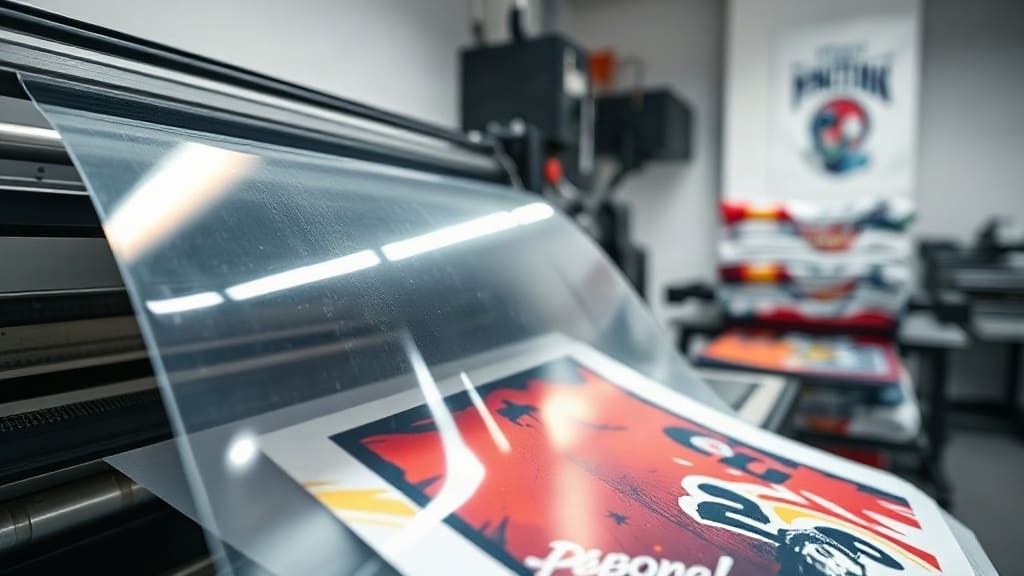
If you are searching for DTF printing solutions, you have probably typed “dtf transfers near me” into a search engine. DTF, or Direct to Film, has become one of the most versatile methods for custom apparel decoration. It allows you to print vibrant designs on a variety of fabrics, from cotton t-shirts to polyester blends. But finding a reliable shop that offers DTF transfers can be tricky. This guide will help you understand what to look for and how to choose the best service for your needs.
What is DTF Printing?
DTF printing involves printing your design onto a special PET film using a printer with CMYK plus white ink. After printing, an adhesive powder is applied to the wet ink, and the film is cured. The resulting transfer is then heat pressed onto the garment. Unlike traditional screen printing, DTF does not require screens, and unlike vinyl, it can replicate highly detailed, full-color images with gradients and small text easily.
Why DTF Has Become So Popular
The popularity of DTF has soared because it offers excellent color vibrancy, stretchability, and durability. It works on many materials, including cotton, polyester, nylon, and blends. For small business owners and hobbyists, DTF simplifies the process: you do not need to own expensive printing equipment. You can simply order DTF transfers from a specialized shop and apply them with a heat press. This opens doors for print-on-demand businesses and those wanting to create unique apparel without a big upfront investment.
How to Find DTF Transfer Services Near You
When you search for “dtf transfers near me,” you may get a list of local print shops. However, not all of them offer DTF, and even those that do may vary in quality. Here are some steps to narrow down your options:
- Use specific search terms: Try variations like “DTF printing services” or “direct to film transfer providers” along with your city or region.
- Check their portfolios: Look at sample prints they have done. High-quality DTF transfers should show crisp details and accurate colors.
- Read customer reviews: On Google Maps, Yelp, or Facebook, look for feedback about their products and customer service.
- Ask about their equipment: Professional shops use high-quality printers and films. Inquire if they use genuine DTF inks and powders.
What to Consider When Choosing a DTF Transfer Supplier
Finding the right supplier is crucial because the quality of the transfer directly affects your final product. Here are key factors to evaluate:
Print Quality and Resolution
Ask to see a physical sample. Look for fine lines, gradients, and white ink opacity. Poor quality transfers may have faded colors or rough edges. A reliable provider will have a proofing process and may even send you a test print.
Transfer Durability
DTF transfers should withstand multiple washes without cracking or fading. Ask about the type of adhesive powder and film they use. Reputable suppliers often offer a warranty or guarantee on their transfers.
Turnaround Time
If you run a business, timely delivery is essential. Some shops offer rush services for an extra fee. Clarify their production and shipping times before placing a large order.
Pricing and Minimum Orders
Compare prices per transfer, especially for bulk orders. Some suppliers have no minimum order, while others require a certain quantity. Be cautious of extremely low prices; they might indicate low-quality materials or cutting corners.
Customer Support and Design Assistance
Choose a shop that offers helpful customer service. They should be able to advise you on file formats, color management, and proper application techniques. Many even provide free design templates or artwork setup.
How to Use DTF Transfers: A Quick Guide
Once you have your DTF transfers, you need to apply them correctly. Here is a step-by-step process:
- Preheat your heat press to about 320°F (160°C). The exact temperature may vary; check the supplier’s instructions.
- Pre-press the garment for 2-3 seconds to remove moisture and wrinkles.
- Place the transfer on the garment with the film side facing up (the adhesive side down).
- Press with medium to firm pressure for 10-15 seconds.
- Peel the film while it is still warm (hot peel) or after it cools (cold peel), depending on the transfer type. Many DTF transfers are hot peel, but some require cold peel. Follow the supplier’s recommendation.
- For extra durability, you can cover the design with a Teflon sheet and press again for a few seconds.
DTF vs. Other Printing Methods
Understanding how DTF compares to other techniques helps you decide if it is right for your project.
DTF vs. Screen Printing
Screen printing is cost-effective for large quantities but requires setup screens. DTF is more flexible for small runs and offers no minimum orders. DTF also excels at producing complex, multi-colored designs without extra setup costs.
DTF vs. Direct-to-Garment (DTG)
DTG prints directly onto the garment, which is great for cotton but not ideal for polyester. DTF can be applied to almost any fabric, including blends. DTF transfers also tend to have a softer hand feel compared to some vinyl prints.
DTF vs. Vinyl
Vinyl cutting is limited to solid colors and simple shapes. DTF allows for full-color gradients and photographic images. Vinyl may crack over time, whereas DTF transfers are known for their flexibility and durability.
Benefits of Using DTF Transfers for Your Business
If you are an entrepreneur, incorporating DTF transfers can be a game-changer. Here are some advantages:
- Low startup costs: You don’t need to invest in expensive printing equipment. Just a heat press is sufficient.
- Versatility: You can offer custom apparel for sports teams, events, and businesses with different fabric types.
- On-demand production: Order only what you need, reducing inventory waste.
- High-quality results: DTF transfers produce vibrant, wash-resistant designs that meet customer expectations.
- Quick turnaround: Once you have your transfers, you can fulfill orders quickly, often within minutes.
Common Mistakes to Avoid When Ordering DTF Transfers
Even with a good supplier, mistakes can happen. Here are pitfalls to avoid:
- Ignoring file requirements: Always provide high-resolution files (300 DPI) in the correct color mode (CMYK or RGB as specified).
- Not checking size: Double-check the dimensions of your design. Some shops may print at 100% scale, so ensure your file is not too small or too large.
- Applying with wrong settings: Each transfer may have specific temperature and time requirements. Test on a scrap garment first.
- Forgetting about white underbase: For dark garments, the white underbase is essential. Ensure your design includes a white layer if needed.
How to Save Money on DTF Transfers
While DTF is already cost-effective, you can optimize your spending:
- Order in bulk: Many shops offer quantity discounts.
- Combine designs: If possible, group multiple designs on one sheet to reduce film waste.
- Sign up for newsletters: Some suppliers send exclusive coupons.
- Compare shipping costs: Factor in shipping when comparing prices.
Frequently Asked Questions
How long do DTF transfers last?
With proper application and care, DTF transfers can last through many washes, often 50 or more. To maximize longevity, wash garments inside out in cold water and avoid using bleach or fabric softeners.
Can I apply DTF transfers to any fabric?
Yes, DTF transfers work on nearly all fabric types, including cotton, polyester, nylon, and blends. However, the best results are achieved on fabrics with a smooth surface. For very textured materials, test a sample first.
Do I need a special printer to apply DTF transfers?
No, you only need a heat press. DTF transfers are pre-printed; you just apply them with heat and pressure. If you don’t have a heat press, you can use a home iron, but the results may not be as consistent.
Can I wash DTF transfers in a washing machine?
Yes, you can. Turn the garment inside out, wash in cold water, and tumble dry on low. Avoid using harsh detergents or bleach. Following these care instructions will keep the design looking fresh.
Are DTF transfers eco-friendly?
DTF printing uses water-based inks and produces less waste compared to screen printing, but it still involves plastic films. Some suppliers offer biodegradable films and powders. If sustainability is important to you, ask your provider about eco-friendly options.
Final Thoughts
Finding quality DTF transfers near me does not have to be overwhelming. By understanding what DTF is, what to look for in a supplier, and how to apply the transfers correctly, you can create professional-looking apparel and grow your business. Whether you are a seasoned printer or just starting, DTF offers a flexible, affordable way to produce vibrant designs. Take your time to research local options, ask for samples, and compare services. With the right partner, you will enjoy consistent results and happy customers.