
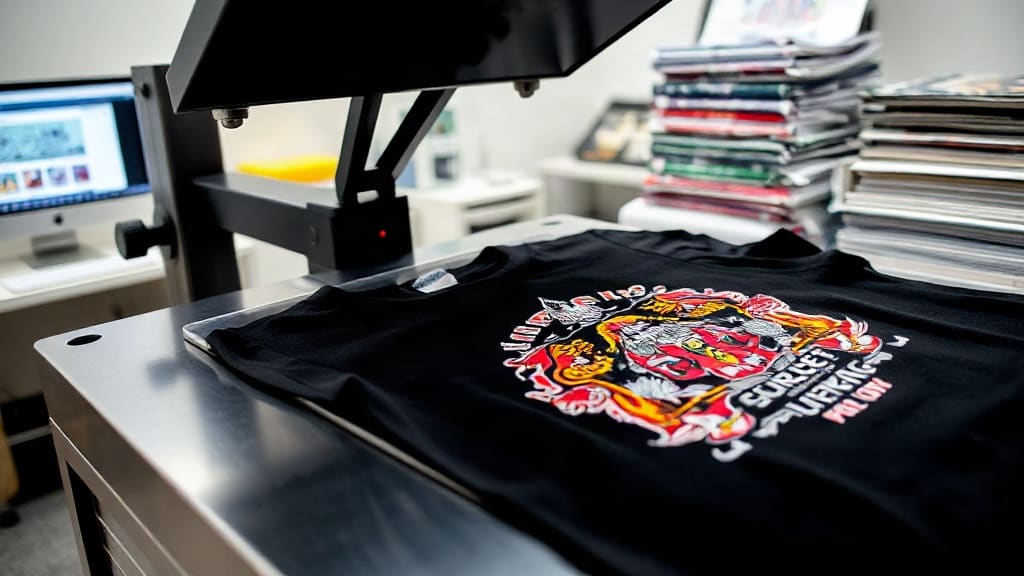
If you’re in the custom apparel business or just starting to explore decoration methods, you’ve probably heard about DTF. DTF, which stands for Direct to Film, has taken the industry by storm. It’s versatile, cost-effective, and produces vibrant prints that feel soft. But what exactly are DTF transfers, and why are they becoming the go-to choice for many? In this guide, we’ll break down everything you need to know, including how to find DTF transfers near me and get the best results for your projects.
Whether you’re a hobbyist with a heat press in your garage or a professional printer handling bulk orders, understanding DTF is crucial in today’s market. Let’s dive in.
What Are DTF Transfers?
Direct to Film printing is a method where a design is printed onto a special PET film with a printer, then covered with a hot-melt adhesive powder. After that, the film is cured, and the design is ready to be transferred onto a garment using heat and pressure. The result is a durable, stretchy, and vibrant print that can be applied to various fabrics, including cotton, polyester, blends, and even leather.
The beauty of DTF transfers lies in their simplicity. You don’t need to pre-treat the garment as you would with sublimation, and you can print white ink, which makes it perfect for dark-colored shirts. Plus, the transfers can be stored and used later, making them ideal for on-demand printing.
Why Choose DTF Over Other Methods?
There are many ways to decorate garments: screen printing, heat transfer vinyl (HTV), sublimation, and direct-to-garment (DTG). Each has its pros and cons. However, DTF has emerged as a strong contender because it combines the best of several methods.
- Versatility: DTF works on a wide range of fabrics without pre-treatment.
- Color Vibrancy: The white ink layer ensures colors pop on dark materials.
- Durability: Prints withstand washing and stretching better than many alternatives.
- Cost-Effective: For small to medium runs, DTF is often cheaper than screen printing.
- Ease of Use: You only need a heat press and the transfers; no complex setup.
Compared to HTV, DTF allows for more detailed, full-color designs without layering. Compared to DTG, it offers faster production and doesn’t require a flat garment surface. For many, it’s the perfect balance.
How to Use DTF Transfers
Using DTF transfers is straightforward, but there are tips to ensure a perfect press every time. Here’s a step-by-step guide:
- Preheat your heat press to around 275°F (135°C) to 320°F (160°C) depending on the transfer supplier’s recommendation. Check the instructions provided with your DTF transfers.
- Place the transfer on the garment with the film side up (the printed side facing down). Position it precisely.
- Press with medium to firm pressure for 10-15 seconds. The exact time varies, so test on a scrap piece first.
- Peel the film either hot or cold, depending on the transfer’s type. Some are designed for hot peel, others for cold. If you’re unsure, start with a warm peel (about 10 seconds after pressing).
- Cover the print with a Teflon sheet and press again for a few seconds to set the adhesive fully. This step is optional but recommended for extra durability.
Remember, the key is consistent pressure and temperature. If you get peeling or cracking, adjust your settings. Always do a test transfer before a big run.
Choosing the Right DTF Transfers
Not all DTF transfers are created equal. Quality varies by manufacturer and supplier. When you search for “DTF transfers near me”, you’ll find local shops and online stores. Here’s what to look for:
- Ink Quality: Look for suppliers that use high-quality inks, preferably water-based or eco-solvent, which bond well.
- Adhesive Powder: The powder should be evenly applied and not too thick, which can cause a stiff feel.
- Film Type: Some films release more easily than others. A good film will peel cleanly without leaving residue.
- Color Accuracy: The print should match your design’s colors, and white areas should be opaque.
- Washability: Ask about the transfer’s washability. Quality transfers can withstand 50+ washes without fading or cracking.
If you’re buying locally, you can inspect samples and even do a test press. If you’re buying online, check reviews and ask for proofs.
DTF Transfers Near Me: Local vs. Online
When you Google “DTF transfers near me”, you might get local print shops that offer custom transfers. Buying locally has advantages: you can see the quality, get quick turnaround, and support your community. However, online suppliers often have lower prices and a wider range of designs, especially if you need pre-made transfers or bulk discounts.
Consider your needs. If you need a rush order or want to minimize shipping costs, local is better. If you’re ordering in bulk or need specialty transfers, online might be the way to go. Many businesses, including our own, offer both custom and stock designs, so you can find exactly what you need.
How to Make Your Own DTF Transfers
If you have the equipment, you can produce your own DTF transfers. It requires a DTF printer (usually an EPSON or similar with a special ink system), PET film, adhesive powder, and a heat source to cure the powder. The process involves printing the design with white ink under the colors, applying the powder while the ink is still wet, and then curing it in an oven or with a heat press.
Making your own gives you complete control and can be cost-effective if you have high volume. However, there’s a learning curve. You need to calibrate your printer, manage the powder evenly, and ensure proper curing. Start with small batches and practice.
If you’re not ready to invest in equipment, it’s smarter to purchase from a reliable supplier. That way, you get professional quality without the hassle.
Tips for Perfect DTF Transfers
Even with pre-made transfers, your pressing technique matters. Here are some pro tips:
- Use a heat-resistant tape to hold the transfer in place if it’s large or detailed.
- Don’t over-press: Too much time or heat can cause the design to bleed or crack.
- Let the garment cool before inspecting the peel. Rushing can cause lifting.
- Wash inside out to extend the life of your prints.
Also, make sure your press is level and the garment is smooth. Wrinkles under the transfer will ruin the print.
Common Mistakes and How to Avoid Them
Beginners often face issues like poor adhesion, ghosting, or fading. Here’s how to fix them:
- Ghosting: This happens when the transfer moves during pressing. Use light tack spray or tape.
- Poor adhesion: Increase pressure or temperature slightly. Also, ensure the garment is clean and dry.
- Fading after wash: Probably low-quality ink or under-curing. Switch to a better supplier.
- Stiff feel: The adhesive powder might be too thick. Choose transfers with a thin adhesive layer.
Don’t get discouraged. Like any skill, it takes practice. Keep a log of your settings for different fabrics.
DTF Transfers for Different Fabrics
One of the major selling points of DTF is its compatibility with many materials. Here’s how it performs:
- 100% Cotton: Excellent. The transfer bonds well and feels soft.
- Polyester: Works, but be careful with heat settings to avoid melting the fabric. Use a lower temperature.
- Blends: Great results, especially 50/50 cotton/poly blends.
- Nylon and Leather: Can be done, but test first because these materials are sensitive to heat.
- Performance wear: DTF works on athletic fabrics, but the stretch might be tested. Use a low-bleed transfer.
Always do a test press on a scrap piece to see how the fabric reacts.
Cost Considerations
How much do DTF transfers cost? Prices vary based on size, quantity, and complexity. On average, a 10x10 inch transfer might cost $2-4 each for small quantities, dropping to under $1 for bulk orders. Custom designs with many colors or high detail might be more.
Compared to screen printing, there’s no setup cost, so it’s perfect for small orders. Compared to DTG, there’s no need for a printer, so it’s accessible to anyone with a heat press.
When budgeting, consider the transfer cost, shipping, and your time. If you’re selling shirts, you can easily add a healthy margin.
Where to Find the Best DTF Transfers Near Me
If you’re searching for “DTF transfers near me”, start by asking local print shops. Many now offer DTF services. Also, check online directories and social media groups for recommendations. Look for suppliers that offer samples and have positive reviews.
At dtfcustompress.com, we specialize in high-quality DTF transfers. We offer custom transfers with fast turnaround, and we ship nationwide. Our transfers are made with premium inks and powders, ensuring durability and vibrant colors. Whether you’re a beginner or a pro, we’re here to help you bring your designs to life.
Don’t hesitate to reach out if you have questions. We’re happy to assist you in choosing the right transfers for your projects.
Frequently Asked Questions
What is the difference between DTF and sublimation?
DTF uses a film and adhesive powder, and it works on cotton and dark fabrics. Sublimation requires polyester or coated surfaces and uses heat to turn ink into gas that bonds with the fabric. Sublimation prints are permanent but limited to light-colored, polyester materials. DTF is more versatile.
Can I use DTF transfers on dark shirts?
Yes, absolutely. One of the main advantages of DTF is that it includes a white ink layer, which makes the design opaque and vibrant on dark colors. Just ensure you use a transfer specifically made for dark garments.
How long do DTF transfers last?
With proper application and care, DTF prints can last for over 50 washes without significant fading or cracking. To maximize longevity, wash garments inside out in cold water and avoid high-heat drying. Quality also matters; higher-grade transfers last longer.
Do I need a special printer for DTF?
Yes, DTF requires a printer that can print with white ink and often uses a specific DTF ink set. Standard inkjet printers won’t work. Many people use modified Epson printers with a DTF ink system, but you can also purchase dedicated DTF printers.
What temperature and pressure should I use for pressing?
It depends on the transfer and fabric. Generally, temperatures range from 275°F to 320°F, with pressure around 40-60 psi (medium to firm). Time is usually 10-15 seconds. Always follow the supplier’s instructions and test on a scrap piece.