
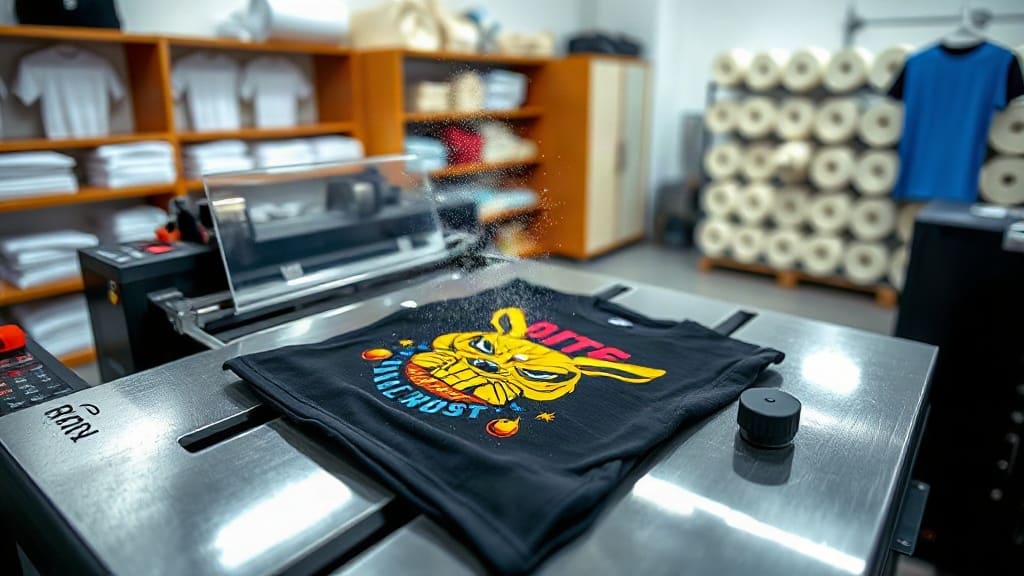
If you've been exploring custom apparel printing, you've probably heard the term DTF thrown around a lot lately. It stands for Direct to Film, and it's quickly becoming a favorite among small business owners and print shops. But what exactly is it, and is it right for you? In this guide, I'll break down everything you need to know about DTF printing, from how it works to what equipment you need, and I'll share some honest pros and cons based on real experience.
I remember the first time I saw a DTF printer in action. The process seemed almost magical: vibrant colors, soft prints, and the ability to print on any fabric. But as I dug deeper, I realized there's a lot more to it than just pressing a button. Let's start with the basics.
What Is DTF Printing?
DTF, or Direct to Film, is a printing method where a design is printed onto a special PET film, coated with adhesive powder, and then heat-pressed onto a garment or other substrate. Unlike direct-to-garment (DTG) printing, which prints directly onto the fabric, DTF uses an intermediate film, allowing for greater flexibility in terms of fabric types and colors.
The process was originally developed as an alternative to screen printing and DTG, especially for small to medium runs. It gained popularity because it offers vibrant colors, a soft hand feel, and excellent washability, all without requiring pretreatments or specific fabric blends.
How Does DTF Printing Work?
Understanding the step-by-step process can help you appreciate the technology and troubleshoot issues when they arise. Here's a typical workflow:
- Design creation: You start with a digital design. Any image editor, like Adobe Photoshop or even free tools like Canva, can be used. The design should be in a format that supports transparency, such as PNG, because the film needs to know where to apply the adhesive powder.
- Printing on film: The design is printed onto a special PET film using a DTF printer. These printers use water-based inks and are often modified from standard inkjet printers. The print is a mirror image of the final design.
- Applying adhesive powder: While the ink is still wet, a hot-melt adhesive powder is applied to the printed areas. The powder sticks only to the ink, not the clear film. Then, the film is heated to melt the powder, which creates a strong bond to the ink.
- Curing: The film with the melted powder is then fully cured, often using a heat source like an oven or a heat press. This ensures the powder is fully melted and adhered to the ink.
- Transfer: The cured film is placed onto the garment, printed side down, and pressed with a heat press. The heat and pressure cause the adhesive to bond with the fabric fibers.
- Peeling: After pressing, the film is peeled away, leaving the design on the garment. The entire process usually takes just a few minutes per shirt.
Essential Equipment for DTF Printing
If you're considering starting a DTF business, you'll need to invest in the right equipment. Here's a breakdown of what you'll need:
DTF Printer
You can either buy a dedicated DTF printer or convert an existing inkjet printer. Dedicated models often come with a built-in powder shaker and curing unit, streamlining the process. If you're on a budget, conversions are possible, but they require more technical know-how.
Film and Inks
You'll need PET film specifically designed for DTF, and water-based DTF inks. These are not the same as standard inkjet inks, so make sure to use the correct type. Quality matters: cheap films can cause cracking or poor adhesion.
Adhesive Powder
This is a fine powder that melts under heat. It's typically made of a thermoplastic material. The amount applied affects the durability of the print. Too little and the print may peel, too much and it can feel thick.
Heat Press
A standard heat press is required for the transfer. You'll use it both for curing the adhesive and for pressing the film onto the garment. A clamshell or swing-away press works fine, but you should have a temperature range up to 200°C (400°F).
Optional: Curing Oven or Dryer
Some setups include a separate curing oven or a conveyor dryer to speed up production. For small scale, a heat press can double as a curing device, but it's slower.
DTF vs. Other Printing Methods
To decide if DTF is the right choice, you need to compare it with alternatives like screen printing and DTG.
DTF vs. Screen Printing
Screen printing is ideal for large orders of the same design. It offers excellent durability and low per-unit costs for bulk. However, setup is time-consuming and expensive, and it's not practical for single prints or complex color designs. DTF shines in small runs and full-color prints with no setup fees.
DTF vs. DTG
DTG prints directly onto the garment, which works well for cotton fabrics. But it requires a pretreatment solution to help ink bond, and it can't handle many synthetic fabrics. DTF works on cotton, polyester, blends, and even nylon due to the adhesive powder. DTF also tends to have a softer feel than DTG, although DTG prints can be very soft if printed correctly.
Pros and Cons of DTF Printing
Like any method, DTF has its strengths and weaknesses. Here's an honest look:
Pros
- Versatility: Works on almost any fabric, including dark and light colors, without pretreatment.
- Vibrant colors: With a white ink base, colors pop even on black shirts.
- Soft hand feel: The prints don't have a heavy plastisol layer, making them comfortable to wear.
- Low startup cost: Compared to screen printing, the initial investment is lower.
- No minimum orders: Print one or one thousand; it's cost-effective for small batches.
Cons
- Learning curve: There are variables like powder application, curing time, and film quality that can affect the outcome.
- Washability concerns: If not properly cured or if low-quality materials are used, prints can crack or peel after several washes.
- Time consuming: Each print requires manual powder shaking and curing, which can slow down production compared to automated screen printing.
- Film waste: The PET film is not reusable, and the process generates waste, which is an environmental consideration.
Tips for Successful DTF Printing
Based on my own experience and feedback from other printers, here are some practical tips to get the best results:
- Invest in quality materials: Cheap films and inks might save money upfront but can lead to failures and reprints, costing more in the long run.
- Control the powdered amount: Too little powder results in poor adhesion; too much creates a thick, rubbery feel. Experiment to find the sweet spot.
- Use a heat press for curing: Make sure your curing method is consistent. Under-curing is a common cause of washout.
- Press with the right pressure: Medium to firm pressure is usually recommended. Too little pressure means the adhesive won't bond fully.
- Peel at the right angle: After pressing, peel the film off slowly and steadily to avoid lifting any ink.
- Test before bulk: Always run a test print to check color, adhesion, and washability before committing to a large order.
Cost Considerations
The initial investment for DTF can range from a few hundred dollars for a converted setup to several thousand for a professional system. But what about per-print costs? You need to factor in film, ink, powder, and electricity. On average, a 10x10 cm print might cost around $0.30 to $0.50 in materials, plus the cost of the garment. This makes DTF very competitive for small quantities.
If you're doing this as a side hustle, you might start with a budget setup and upgrade as you grow. Many people begin with an Epson printer conversion, which costs around $500-$1000 for the printer and accessories. However, you'll need to be comfortable with troubleshooting and maintenance.
Common Mistakes to Avoid
Here are a few pitfalls that many beginners face:
- Not mirroring the design: Forgetting to flip the image is the most common mistake. Always print a mirror image.
- Incorrect curing temperature: The adhesive powder needs to reach its melting point, usually around 160°C (320°F). If the temperature is too low, the powder won't melt completely.
- Skipping test prints: Each new batch of film or ink might require adjustments. Always test before a big run.
- Ignoring humidity: DTF inks are water-based and can be affected by humidity. Store your materials properly and keep your workspace dry.
Future of DTF Printing
As technology advances, DTF is becoming more accessible. Newer printers have built-in powder shakers and curing units, making the process almost one-touch. Some hybrid machines even combine DTF and DTG capabilities. The environmental impact of film waste is being addressed with recyclable or biodegradable films. It's an exciting time to get into this sector.
If you're thinking about adding DTF to your services, or starting a new venture, it's a viable option that offers flexibility and quality. Just remember to do your research, invest in good equipment, and practice to perfect your technique.
Frequently Asked Questions
How long does a DTF print last?
With proper application and care, DTF prints can last as long as the garment itself. The key is to use quality materials and follow the correct curing and pressing procedures. I've seen prints that have gone through 50+ washes without noticeable fading or cracking, but lower quality setups may fail sooner.
Can DTF printing be done at home?
Yes, you can start a DTF setup at home, provided you have space for a printer, a heat press, and proper ventilation. The process involves some fumes from the powder and inks, so a well-ventilated area is essential. Many hobbyists and small business owners run successful DTF operations from home garages or spare rooms.
What fabrics are not suitable for DTF?
DTF works on most fabrics, but it's not ideal for very stretchy materials like spandex or for fabrics with a very low melting point. The heat press can damage such materials. Always test on a small piece first. For extremely stretchy fabrics, you might need a more flexible adhesive powder.
Do I need a special printer for DTF?
Yes, you need a printer that can handle DTF inks, which are water-based and pigmented. Standard inkjet printers are not designed for these inks, but you can convert compatible Epson printers using a DTF conversion kit, which includes the inks, dampers, and sometimes a mainboard. Dedicated DTF printers are also available from manufacturers like Epson and Mutoh.
Is DTF more expensive than screen printing?
For large quantities, screen printing is usually more cost-effective per unit because the setup cost is spread over many shirts. However, for small to medium runs (like 1-50 pieces), DTF is often cheaper because there's no screen setup charge. If you're doing custom one-off orders, DTF is definitely the most economical choice.
In conclusion, DTF is a game-changer for the custom apparel industry. It offers a blend of versatility, quality, and affordability that makes it attractive for both new and established businesses. Whether you're printing t-shirts for a local event or running a full-scale online store, understanding this technology can open up new opportunities. So, don't hesitate to experiment and see how DTF can fit into your workflow.