
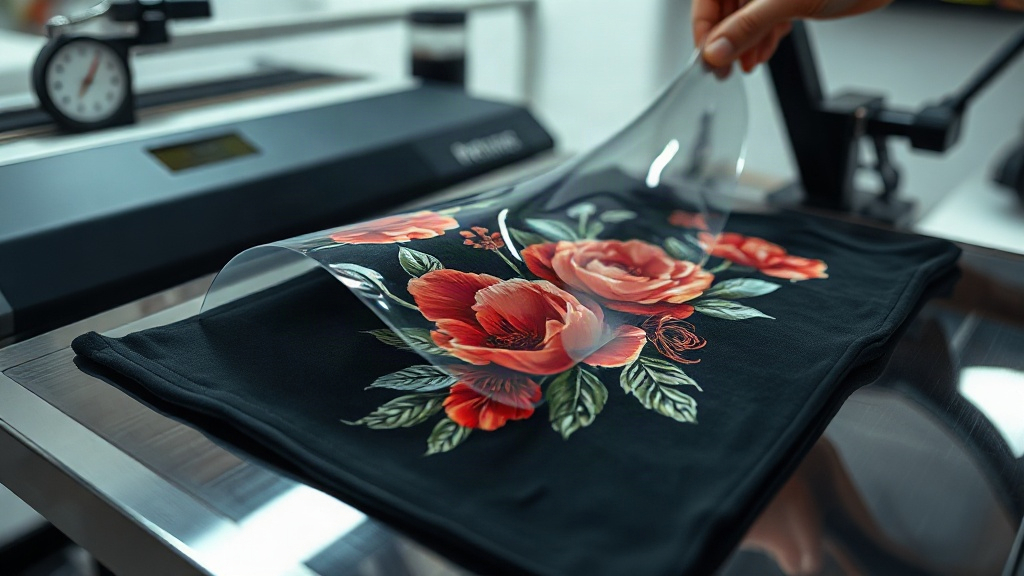
If you've been in the custom apparel game for any length of time, you've probably heard the buzz about DTF Transfers. Maybe you've seen them on social media, or a competitor started offering them. But what exactly are they, and why are they causing such a stir? In short, DTF (Direct to Film) transfers are a game-changer for printing on fabrics that traditional methods struggle with, like polyester, nylon, and blends. They produce vibrant, stretchable prints that feel soft and last wash after wash. In this guide, I'll walk you through everything you need to know about DTF transfers, from how they work to how you can use them to grow your business or elevate your personal projects.
What Are DTF Transfers?
DTF stands for Direct to Film. It's a printing process where your design is printed onto a special PET film using water-based inks, then coated with a hot-melt adhesive powder. Once the powder is cured, the transfer is ready to be applied to a garment using a heat press. The magic happens when heat and pressure release the adhesive, bonding the ink to the fabric. Unlike DTG (Direct to Garment) or screen printing, DTF doesn't require pre-treatment or specialized fabrics. It works on cotton, polyester, blends, leather, and even nylon. That versatility is why DTF Transfers have become a go-to solution for small business owners, crafters, and large-scale printers alike.
How DTF Transfers Work: A Step-by-Step Breakdown
Understanding the process helps you appreciate why DTF is so effective. Here's a quick rundown of the steps involved in creating a DTF transfer:
- Design Preparation: Your artwork is prepared in a RIP software, which mirrors the image and separates colors if needed. The printer lays down a white ink base first, followed by CMYK colors. This white base is crucial for opacity on dark fabrics.
- Printing: The design is printed onto a PET film. The film is coated with a release agent that allows the ink to transfer later. The printer uses water-based pigments that are vibrant and eco-friendly.
- Powdering: While the ink is still wet, a hot-melt adhesive powder is applied evenly over the design. The excess powder is shaken off, leaving a thin layer stuck to the ink.
- Curing: The film goes through a curing oven or under a heat press to melt the powder. This creates a dry, stable transfer that can be stored for months.
- Application: When you're ready to apply, you place the transfer on the garment and press it with a heat press at around 300-325°F for 10-15 seconds. After peeling the film (hot or cold peel depending on the film type), you have a durable, stretchable print.
Each step is critical, but the beauty of DTF is that once you have the transfers, application is fast and forgiving. You don't need to worry about clogged screens or messy inks.
Why Choose DTF Transfers Over Other Printing Methods?
There are plenty of printing options out there, so why should you consider DTF? Let's compare it to the most common alternatives.
DTF vs. DTG
DTG printing is great for 100% cotton, but it often requires pre-treatment, which adds time and cost. On polyester, DTG inks can bleed or fade. DTF, on the other hand, adheres to almost any fabric without pre-treatment. The prints are more stretchable and durable, especially on performance wear. Plus, DTF transfers can be stored and applied on demand, making them ideal for small batches or personalized orders.
DTF vs. Screen Printing
Screen printing is cost-effective for large runs of simple designs, but it's not practical for complex, multi-color images or small quantities. Setting up screens takes time and money. DTF shines for detailed, full-color designs and short runs. There's no minimum order, and you can print one-off designs without setup fees. The hand feel of DTF is also softer than a thick screen print, though not as soft as DTG on cotton.
DTF vs. Vinyl
Heat transfer vinyl (HTV) is popular for simple text and shapes, but layering multiple colors is tedious and the result can be bulky. DTF allows you to print intricate designs with gradients and fine details in one go. It's also more stretchable, so it won't crack when the garment flexes. For anyone who's spent hours weeding vinyl, DTF is a welcome relief.
The Benefits of Using DTF Transfers
Now that you know how DTF stacks up, let's highlight the key benefits that make it a standout choice:
- Fabric Versatility: Works on cotton, polyester, blends, leather, nylon, and more. No need to stock different supplies for different materials.
- Vibrant Colors: The white ink base ensures colors pop on both light and dark garments. You get bright, opaque results without the need for multiple passes.
- Stretch and Durability: The prints stretch with the fabric, so they won't crack or peel when worn. They also withstand dozens of washes when applied correctly.
- No Pre-Treatment: Save time and money by skipping the pre-treatment step required for DTG.
- On-Demand Production: Print transfers in bulk and store them. Apply as needed, reducing waste and turnaround time.
- Cost-Effective for Short Runs: No screens or setup fees. Ideal for small businesses, personalized gifts, and sample orders.
These benefits explain why DTF Transfers have become a staple in the custom apparel industry. They offer a level of flexibility and quality that's hard to match.
How to Apply DTF Transfers for Best Results
Applying DTF transfers is straightforward, but following the right technique ensures a long-lasting, professional finish. Here's a step-by-step guide:
- Preheat the Garment: This removes moisture and wrinkles. Press for 5-10 seconds at your application temperature.
- Position the Transfer: Place the transfer on the garment with the printed side up. The film side should be facing you.
- Press: Set your heat press to 300-325°F (150-160°C) with medium pressure. Press for 10-15 seconds. If you're using a home iron, set it to the highest temperature without steam and press firmly for 30-45 seconds.
- Peel: DTF transfers can be peeled hot or cold, depending on the film. Most modern films are cold peel, meaning you wait a few seconds until it's warm but not hot. Peel the film off slowly at a low angle.
- Post-Press (Optional): For extra durability, cover the print with a Teflon sheet or parchment paper and press again for 5-10 seconds. This ensures the adhesive fully bonds.
Always test on a scrap piece of fabric first to dial in your settings. Different heat presses and films may require slight adjustments.
Common Mistakes to Avoid with DTF Transfers
Even though DTF is forgiving, a few missteps can ruin your results. Watch out for these:
- Insufficient Pressure: Too little pressure means the adhesive won't bond properly, leading to peeling. Make sure your press is adjusted correctly.
- Wrong Temperature: Too hot and the film may curl or the ink may scorch. Too cold and the adhesive won't melt. Invest in a good heat press with accurate temperature control.
- Peeling Too Soon or Too Late: Follow the film's instructions. Cold peel films should be allowed to cool completely; hot peel films must be peeled immediately. Getting this wrong can cause the design to lift or crack.
- Not Pre-Pressing: Skipping the pre-press can trap moisture, causing bubbles or poor adhesion.
- Storing Transfers Improperly: Keep transfers in a cool, dry place away from direct sunlight. Humidity can affect the powder.
By avoiding these pitfalls, you'll achieve consistent, professional results every time.
DTF Transfers for Business: A Game-Changer for Custom Apparel
If you run a custom apparel business, DTF transfers can streamline your operations and expand your offerings. Here's how:
- Offer More Fabrics: You can now print on polyester performance wear, nylon jackets, and even leather items without investing in specialized equipment.
- Reduce Turnaround Time: Keep a library of pre-printed transfers ready to apply. When an order comes in, you just press and ship.
- Lower Startup Costs: Compared to screen printing or DTG, a DTF setup is relatively affordable. You can start with a desktop DTF printer and a heat press.
- Expand Your Product Line: Add custom tote bags, hats, and even shoes to your offerings. DTF adheres to many surfaces.
Many small businesses have built a loyal following by leveraging the versatility and quality of DTF Transfers. It's a low-risk way to test new designs and niches.
Frequently Asked Questions About DTF Transfers
How long do DTF transfers last on a shirt?
When applied correctly, DTF transfers can last 50+ washes. The key is proper application: sufficient pressure, correct temperature, and following the peel instructions. Washing the garment inside out in cold water and avoiding bleach will also extend the life of the print.
Can I use DTF transfers on 100% polyester?
Absolutely. DTF transfers are actually one of the best methods for polyester because they don't require pre-treatment and the inks bond well without dye migration. However, for very stretchy polyester, ensure the transfer is stretched slightly before pressing to avoid cracking.
Do I need a special printer for DTF transfers?
Yes, DTF printing requires a dedicated DTF printer that uses water-based pigment inks and a white ink channel. You also need a powder shaker and a curing oven. However, if you don't want to invest in the equipment, you can buy pre-printed DTF transfers from suppliers and just apply them with a heat press.
What's the difference between DTF and DTG?
DTG prints directly onto the garment, while DTF prints onto a film that is then transferred. DTF works on more fabrics, requires no pre-treatment, and produces more stretchable prints. DTG is limited mostly to cotton and needs pre-treatment for best results.
Can I stretch a DTF transfer after application?
Yes, DTF transfers are designed to stretch with the fabric. The ink and adhesive are flexible, so they won't crack when the garment is stretched. Just be careful not to over-stretch during application, as that can distort the design.
Final Thoughts
DTF Transfers have revolutionized the way we approach custom printing. They offer unmatched versatility, vibrant colors, and durability that traditional methods can't always match. Whether you're a hobbyist looking to personalize gifts or a business owner aiming to expand your product line, DTF is worth exploring. With the right technique and a bit of practice, you'll be producing professional-quality prints that impress your customers and stand the test of time. So why not give DTF a try? Your next project might just become your best-selling product.