
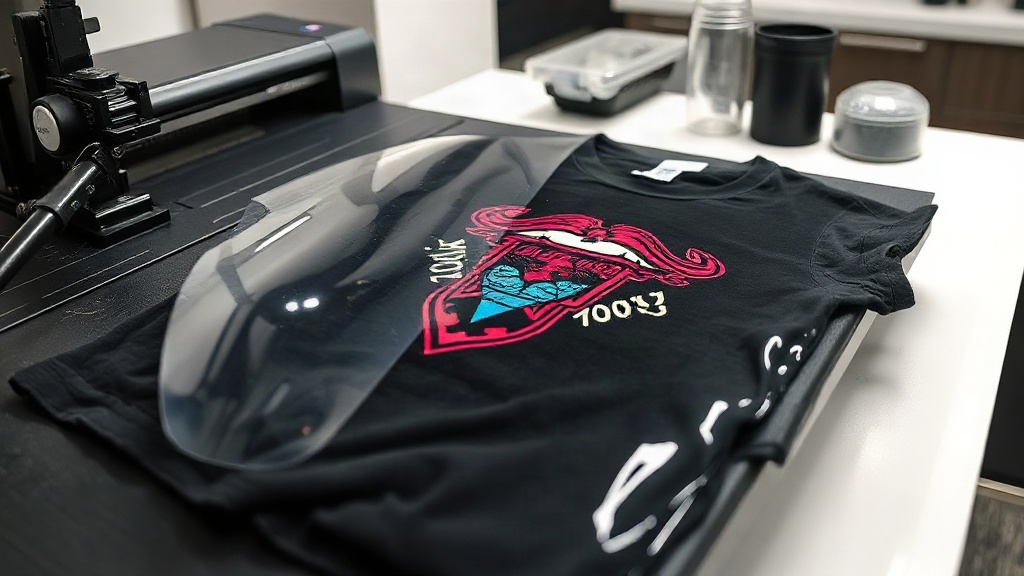
If you've been exploring custom apparel printing, you've likely encountered DTF printing. Short for Direct-to-Film, this method has rapidly gained popularity for its versatility and vibrant results. Unlike traditional techniques, DTF allows you to print full-color designs onto a special film, then transfer them to various fabrics with ease. In this guide, we'll dive deep into DTF printing, covering its process, advantages, comparisons, and practical tips to help you achieve professional-looking custom gear.
What Exactly Is DTF Printing?
DTF printing is a digital printing technology where your design is printed onto a PET film using specialized inks. A powdered hot-melt adhesive is applied to the wet ink, and after curing, the film is ready to be heat-pressed onto a garment. The adhesive bonds the ink to the fabric, creating a durable, stretchable print. This method works on a wide range of materials, including cotton, polyester, blends, and even treated nylon, making it a favorite for custom t-shirts, hoodies, tote bags, and more.
How Does the DTF Process Work Step by Step?
Understanding the workflow helps you appreciate why DTF is so effective. Here's a breakdown of the key stages:
- Design Preparation: Your artwork is prepared in a graphics program, ensuring it's mirrored (unless using a printer with auto-mirroring). Colors are typically printed in CMYK plus white for opacity.
- Printing onto Film: A DTF printer lays down the design onto a PET film. The white ink layer is crucial for vibrant colors on dark fabrics.
- Powder Application: While the ink is still wet, a thermoplastic powder is sprinkled over it. The powder sticks to the ink.
- Curing: The film passes through a heat source (like a curing oven or heat press) to melt the powder, creating a flexible adhesive layer.
- Transfer: The film is placed on the garment and heat-pressed. After cooling, the film is peeled away, leaving the design bonded to the fabric.
Each step requires attention to detail, but once mastered, the process is efficient and scalable.
Why Choose DTF Over Other Printing Methods?
DTF printing offers several compelling advantages that set it apart from screen printing, DTG (Direct-to-Garment), and vinyl cutting.
Unmatched Versatility
Unlike DTG, which works best on 100% cotton, DTF adheres well to polyester, cotton, blends, and even leather. This opens up possibilities for printing on various garments and accessories without changing your setup.
No Color Limitations
With DTF, you can print photorealistic images, gradients, and fine details without the color constraints of screen printing (which requires separate screens for each color). This makes it ideal for small batches with complex designs.
Durability and Stretch
The prints are highly durable, resisting cracking, peeling, and fading even after multiple washes. The adhesive layer allows the print to stretch with the fabric, making it suitable for athletic wear and stretchy materials.
Cost-Effective for Short Runs
For small orders, DTF eliminates the setup costs associated with screen printing. You can print one-off designs or small batches without breaking the bank.
DTF vs. Other Printing Technologies: A Comparison
Let's see how DTF stacks up against common alternatives.
- DTF vs. DTG: DTG prints directly onto the garment, which limits it to cotton fabrics and requires pre-treatment. DTF works on more materials and often produces more vibrant colors on dark shirts.
- DTF vs. Screen Printing: Screen printing is cost-effective for large orders but impractical for complex, multi-color designs or small runs. DTF excels in both small batches and detailed artwork.
- DTF vs. Vinyl: Heat transfer vinyl is great for simple shapes but cannot handle intricate details or gradients. DTF can reproduce any design with ease.
Each method has its place, but DTF shines for its flexibility and quality.
Getting Started with DTF Printing: Essential Tips
If you're ready to explore DTF, here are practical tips to ensure success.
Choose the Right Equipment
A quality DTF printer and curing oven are critical. Look for printers with reliable printheads and consistent ink flow. Don't skimp on the powder; a fine, consistent particle size ensures good adhesion.
Master the Heat Press Settings
Temperature, pressure, and time vary by fabric and film. Typically, 300-325°F for 10-15 seconds with medium pressure works well. Always test on a scrap piece first.
Handle Films with Care
Store films in a cool, dry place to prevent moisture absorption, which can affect print quality. Use anti-static measures to keep dust off the film.
Optimize Your Artwork
Use high-resolution images (300 DPI) and ensure your design has a transparent background if needed. For dark garments, remember that a white underbase is automatically included in the print.
Common Applications of DTF Printing
DTF is used across many industries and personal projects. Here are some popular uses:
- Custom t-shirts, hoodies, and activewear
- Promotional items like tote bags, caps, and aprons
- Uniforms for sports teams, schools, and businesses
- Personalized gifts with photos or intricate designs
Its ability to print on diverse fabrics makes it a go-to for anyone needing high-quality, durable prints.
Frequently Asked Questions About DTF Printing
How long does a DTF print last?
With proper application and care, a DTF print can last as long as the garment itself. It withstands repeated washing without cracking or fading, especially if you follow care instructions like washing inside out in cold water and avoiding bleach.
Can I use DTF on 100% polyester?
Yes, DTF works exceptionally well on polyester. The low-temperature transfer process prevents the fabric from scorching, and the print remains flexible and vibrant.
Do I need a special printer for DTF?
While you can convert some inkjet printers, dedicated DTF printers are recommended for consistent results. They are designed to handle the white ink and powder application seamlessly.
Is DTF printing cost-effective for small businesses?
Absolutely. DTF has low startup costs compared to screen printing and allows you to offer a wide range of products without inventory. You can print on demand, reducing waste and overhead.
What fabrics can I print on with DTF?
DTF adheres to cotton, polyester, blends, nylon, leather, and more. It's not limited to natural fibers, giving you great flexibility in product offerings.
Final Thoughts
DTF printing is a game-changer for custom apparel. Its versatility, durability, and cost-effectiveness make it an excellent choice for businesses and hobbyists alike. By understanding the process and following best practices, you can produce stunning, long-lasting designs that impress your customers. Whether you're just starting or looking to expand your printing capabilities, DTF is worth exploring. For more insights and solutions, visit dtfcustompress.com.